Our Story
News & Stories
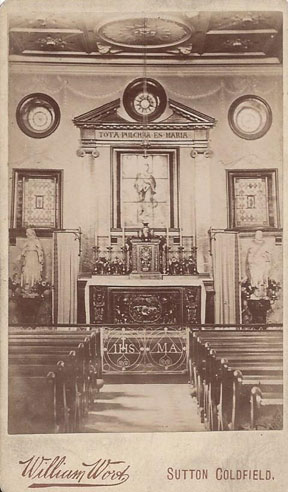
Maryvale takes its name from the house at Old Oscott, in Birmingham, where the Institute began, a site woven into the history of the Catholic Church in England for more than a thousand years. The oldest part of the building, once known as Oscott House, was home to the Bromwich family and the base for the local Catholic mission through the penal centuries, when holding to the faith carried real risk. Andrew Bromwich was among the last priests imprisoned in that period, and on inheriting the house he gave it over to the Church. From 1794 to 1838 it served as the first seminary established in England, placed under the patronage of Our Lady and known as St Mary's College, Oscott.
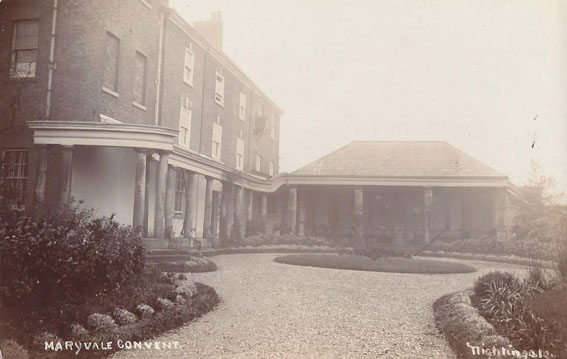
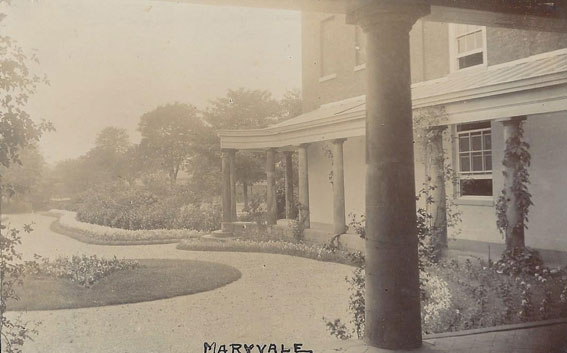
When the seminary moved to a larger building in 1838, in the part of Birmingham still called New Oscott, the old house began a new chapter. In 1846 it became the home of Saint John Henry Newman and his community of fellow converts. Newly ordained in Rome, Newman founded the first English Oratory there and gave the house the name it still carries, Maryvale. After the Oratory moved into the centre of Birmingham, Maryvale served briefly as a novitiate for the Oblates of Mary Immaculate, and then for nearly 130 years as an orphanage run by the Sisters of Mercy. When the Sisters left in 1980, the house became the home of Maryvale Institute and remained so until Maryvale Institute left and moved to Oscott Seminary in 2025.
Upon moving to Oscott Seminary, some of the Maryvale Programmes, the BA in Philosophy, the MA in Catholic Applied Studies and the PhD research programme, formed Maryvale@StMary's and moved to St Mary's University, Twickenham. The Ecclesiastical Bachelor of Divinity and Licence in Catechetical Studies, as well as the FE programmes, continued as the Maryvale HIRS, validated through Faculté Notre Dame, Paris.
Our Programmes
Accredited theology and practical formation at every level, from parish catechesis to postgraduate study.